
A turtle release near Todos Santos is a brief, conservation-led moment at the edge of dusk: hatchlings in the sand, volunteers focused and quiet, and a short window where you watch without turning it into a spectacle. It is meaningful precisely because it is simple, seasonal, and guided.
TL;DR
What to know before you plan your evening
- Seasonal, not scheduled: Releases tend to happen in winter (typically November to February), but exact timing depends on hatchling emergence and conservation handling. Flexibility matters.
- Conservation first: This is not a performance and it is not guaranteed just because you arrived. The purpose is protection and education under local guidance.
- The local reference point: In Todos Santos, travelers commonly look to Tortugueros Las Playitas for official updates and participation guidance.
- Ethics are non-negotiable: Expect rules around lights, noise, distance, and photos. Responsible wildlife tourism guidance consistently prioritizes minimizing disturbance.
Quick pack list (you will thank yourself later)
- Wind layer for the Pacific breeze after sunset
- Water and a small bag you can keep close
- No bright lights unless explicitly allowed by the tortugueros (many groups restrict phone flash and screens)
Local Tip: If you want the experience to feel calm instead of rushed, build your day around town first, then leave your evening open. A gallery stroll and an early dinner in Todos Santos makes it easier to arrive patient and respectful when timing shifts.
When you are ready to map out the rest of your nature season, start with our guide to things to do in Todos Santos.
Turtle releases near Todos Santos are seasonal (typically Nov–Feb)
If you are visiting Todos Santos in winter, you are arriving in a season shaped by nature’s timing. Turtle hatchling releases near Todos Santos tend to cluster in the cooler months, most commonly November through February, but they are never a scheduled performance. They happen when nests hatch, conditions allow, and the local conservation team determines it is appropriate to release hatchlings under supervision.
That variability is not a flaw. It is the whole point of doing this responsibly.
Why timing is unpredictable (and why that is a good sign)
Sea turtles face steep odds in the wild, from light pollution to predators and habitat pressures, which is why community-led protection and supervised releases exist at all. Conservation groups time releases around hatchling readiness and beach conditions, not visitor calendars. For a quick primer on the broader threats sea turtles face and why protection efforts matter, NOAA’s overview is a solid reference: https://www.fisheries.noaa.gov/feature-story/sea-turtle-conservation
How to plan your trip so you can say yes without chasing it
The easiest way to enjoy a turtle release experience in Todos Santos is to build slack into your evenings and treat a release as a possibility, not a promise.
A flexible planning approach that works well:
- Choose a 3 to 5 night stay if turtle releases are high on your list. More nights means more chances without rushing.
- Keep at least two evenings “open” for beach timing. Dusk and early night are common windows, but the exact moment can shift.
- Plan a beautiful backup nearby for any evening it does not happen, like a sunset walk, a gallery loop, or dinner in town. Our guide to activities in and around Todos Santos helps you build that gentle Plan B.
- Hold your expectations lightly. If a release happens, it is brief and quiet. If it does not, you still experienced the same coastline the turtles return to.
Seasonal nature calendar (Todos Santos, winter)
A simple way to map your week:
| Month | Turtle release likelihood near Todos Santos | How to plan your evenings |
|---|---|---|
| November | Often possible, season begins to build | Keep early evenings flexible, pack a wind layer |
| December | Commonly active | Plan 2 open evenings, avoid overbooking dinners |
| January | Commonly active | Best with a slower itinerary and fewer fixed tours |
| February | Still possible, can taper | Stay flexible and treat any release as a gift |
Insider Note
If you want this experience to feel calm instead of chaotic, plan a day that ends in town, not on the highway. A central, walkable base makes it easier to wait out the timing and return for a quiet evening afterward. If you are mapping your winter week, you can also pair turtle season with whale watching season in Baja California Sur.
When you are ready to choose a base that keeps your winter nights unhurried, explore rooms in the heart of Todos Santos.
What is a turtle release (and what isn’t it)?
A turtle release near Todos Santos is a short, carefully guided conservation moment: hatchlings moving from sand to surf at dusk, while local tortugueros and volunteers keep the beach calm, dark, and unobstructed. If it feels quiet and simple, that is the point. The goal is not to “perform” nature, but to give hatchlings a clearer start in a world that is stacked against them.
Sea turtle hatchlings face steep odds from the first minutes of life. Predation, disorientation from artificial light, and human pressure on nesting beaches all affect survival. Conservation programs protect nests, reduce poaching risk, and release hatchlings under conditions that minimize disturbance and improve their chances.
Just as important: responsible wildlife experiences are designed around the animal’s needs, not the visitor’s camera. WWF’s guidance on responsible tourism emphasizes avoiding practices that stress wildlife and choosing experiences that support legitimate conservation.
What a turtle release is
- Conservation-first, community-led stewardship. Local tortugueros monitor nesting beaches, protect nests, and share basic education on why darkness, distance, and quiet matter.
- A brief, structured experience. Usually a short orientation, then a few minutes of watching hatchlings make their way to the water.
- Seasonal and variable by nature. It happens when hatchlings are ready and conditions allow, not simply because it is on your itinerary.
What a turtle release isn’t
- Not a guaranteed show. No one can promise a release on a specific night. The most respectful travelers plan with flexibility, so the experience never turns into pressure on the volunteers or the hatchlings.
- Not a hands-on encounter. If you are hoping to hold a hatchling for a photo, this is the wrong mindset and often against conservation rules.
- Not a bright, loud beach gathering. Artificial light can disorient hatchlings and draw attention away from safety instructions. Expect “low-tech” and low volume.
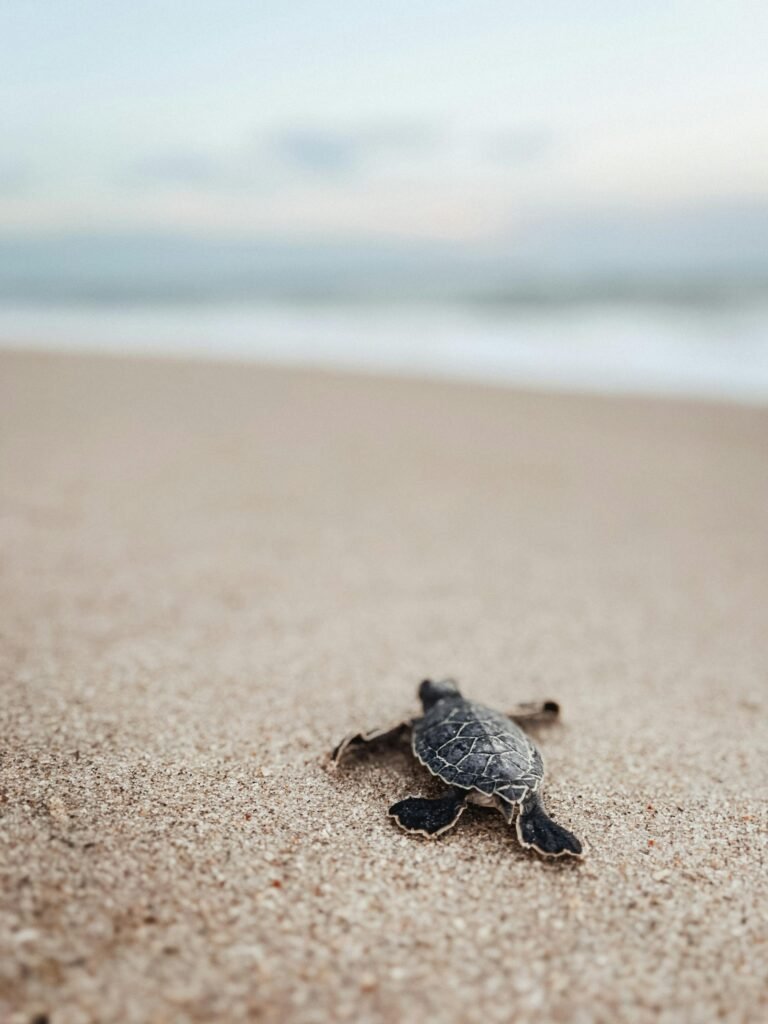
What the moment usually looks like (in 4 steps)
- Arrive and wait quietly while the team assesses timing and conditions.
- A short briefing on where to stand, how to use (or avoid) light, and what not to do.
- The release window: hatchlings are placed at an appropriate distance from the shoreline so they can orient naturally, then everyone watches without crowding.
- A calm finish: a few last hatchlings reach the surf, the group disperses, and the beach returns to darkness.
Insider Note: The most memorable releases are often the least “produced.” Wind in your jacket, sand shifting under your feet, and a line of tiny tracks in the dusk. If you arrive expecting stillness and a little waiting, you will be in the right rhythm for Todos Santos.
If you’re building a winter week around nature plus town culture, keep planning with our guide to activities in and around Todos Santos.
Why are hatchlings protected and released under supervision?
On this stretch of Pacific coast, a hatchling’s first hours are the hardest. Sea turtles evolved for odds, not certainty, and only a small fraction survive to adulthood even under natural conditions. What has changed is the volume and variety of modern threats stacked on top of those natural odds: artificial light, coastal development, fishing gear, pollution, and direct disturbance on nesting beaches. NOAA summarizes these pressures clearly, noting that sea turtles face threats across their entire life cycle, from nesting beaches to open ocean migration routes.
That is why local conservation groups often protect nests and coordinate releases under supervision. The goal is not to “help nature along” for entertainment. It is to reduce preventable losses caused by human activity and to keep hatchlings oriented toward the ocean in a way that minimizes stress and interference.
Why supervised protection exists?
- Nest protection buys time against the most common avoidable losses
Eggs and hatchlings can be vulnerable to poaching, trampling, vehicles on sand, and predation amplified by human presence. A monitored nest area reduces those risks. - Light management matters more than most visitors expect
Hatchlings use natural light cues to find the ocean. Artificial lights can disorient them and pull them inland, increasing dehydration and predation risk. This is a widely recognized issue in sea turtle conservation. - A supervised release prevents well-meaning people from doing harm
Without guidance, visitors may crowd the path, pick up hatchlings, or use phone flashlights for photos. Responsible wildlife tourism principles emphasize minimizing disturbance and prioritizing animal welfare over the visitor’s experience. - Conditions shift quickly on a Pacific beach
Wind, surf, and sand movement can change in minutes. A trained group can choose the safest release approach for the hatchlings and the people watching, especially around dusk.
What “support” looks like (and what it does not)
- Support looks like a short briefing, clear boundaries, dim or no light, and a simple corridor so hatchlings can move unblocked toward the water.
- Support does not look like handling hatchlings for photos, staging repeated “takes,” or turning the beach into a crowd scene.
This framing matters because it keeps expectations healthy. A turtle release near Todos Santos is a conservation practice first. When visitors treat it like a quiet, guided moment, it stays that way.
Insider Note: If you want to feel prepared before you ever step onto the sand, plan a low-key day in town so you arrive calm and on time. A slow gallery afternoon and an early dinner in Todos Santos makes it easier to follow “no light, no noise, no crowding” guidance without rushing.
If you’re building a seasonal itinerary around nature and conservation, consider staying walkable to town so the beach experience can be quiet and unhurried. Explore Serendipity rooms in Todos Santos when you’re ready to choose a calm base for turtle release Todos Santos season.

Who leads turtle releases near Todos Santos—and how do you support them appropriately?
Near Todos Santos, turtle releases are typically organized by local conservation teams known as tortugueros (community turtle guardians). The group most travelers will hear about is Tortugueros Las Playitas, a community-led nonprofit effort focused on protecting nests, monitoring beaches, and educating visitors so the experience stays conservation-first, not crowd-driven.
What they are doing matters because sea turtles face stacked odds before they ever reach the water, from predation and habitat pressures to disorientation from artificial light.
What tortugueros actually do (beyond the release moment)
A release is the visible tip of a much larger, quieter workflow:
- Beach patrol and nest monitoring during nesting season to identify vulnerable nests.
- Protection measures that reduce loss from predators, theft, or disturbance.
- Education and on-site rules so visitors do not accidentally interfere (especially with light and noise).
- Supervised releases when conditions and protocols align, keeping the hatchlings’ path clear and the group respectful.
How to support them appropriately (without turning it into a “tour”)
The most meaningful support is behavioral first, financial second.
Support that always helps:
- Follow the briefing exactly (especially around lights, phones, and where to stand).
- Keep your group small and quiet and give volunteers space to work.
- Ask before filming or photographing, and accept “no” gracefully if conditions require it.
- Let the moment be simple: hatchlings, sand, dusk, and a clear corridor to the water.
If donations or fees are involved:
Conservation groups often rely on community funding for supplies, patrol time, and educational work. If a donation is requested, treat it as direct support for the mission and handle it only through the organization on site. If you are unsure what is appropriate, ask a volunteer how contributions are managed.
A quick “good guest” checklist
- Bring only what you can carry hands-free
- Use no flash and keep screens dim (or off)
- Stand where you are placed, not where the photo would be best
- Leave the beach as you found it, including micro-trash like bottle caps
| DO | DON’T |
|---|---|
| Listen to the tortuguero briefing first, even if you have done a release before. Every night’s conditions are different. | Don’t freelance the experience by walking ahead, choosing your own spot, or “improving” the process. |
| Keep voices low and movements slow. Think: gallery quiet, not beach day energy. | Don’t shout, clap, or call attention to the hatchlings or the group. |
| Follow all light rules immediately. If they request no lights, it means phone screens too. | Don’t use flash, video lights, headlights, or bright screens. Artificial light can disorient hatchlings, which naturally orient toward the ocean’s brighter horizon. |
| Stand back and leave a clear path from the release point to the water. | Don’t crowd the hatchlings or block their route “for a better view.” |
| Let the hatchlings do the walking. The crawl matters for orientation and strength. | Don’t pick up, touch, or “help” a hatchling unless a tortuguero specifically instructs you to, for a specific reason. |
| Ask before taking photos, and expect the answer to be “no” or “only after.” | Don’t assume photography is allowed just because you see someone else doing it. |
| Keep children close and calm, with an adult beside them at all times. | Don’t let kids run, dig, chase, or “rescue.” Even well-meaning play can harm hatchlings. |
| Stay aware of waves and footing, especially after dark. Choose a stable place to stand. | Don’t turn your back on the surf or stand in the wash zone to film. |
| Bring only what you need and keep your hands free. If you carry a bag, keep it closed and close to your body. | Don’t bring drones, speakers, pets, or bulky tripods unless the team explicitly permits it. |
| Offer support in the way the organization requests, whether that’s a donation, volunteering, or simply sharing accurate information. | Don’t pressure the team for private access or special handling, and don’t negotiate rules on the beach. |
What tortugueros and volunteers actually do (behind the scenes)
- Monitoring nesting beaches
- Walking stretches of sand to look for fresh tracks and nesting activity.
- Recording nest locations and timing, which helps plan protection and reduces accidental disturbance.
- Coordinating around conditions like tides, storms, and heavy surf that can damage nests.
- Protecting nests and hatchlings
- Helping safeguard nests from predators and human interference, often by using controlled, supervised practices that reduce risk during vulnerable stages.
- Managing the release process so hatchlings can move to the ocean with minimal disruption, rather than being surrounded by crowds, lights, or noise.
- Enforcing “hands off” and “no light” rules because hatchlings are sensitive to artificial lighting and disorientation is a known issue on developed coastlines.
- Education in the moment
- Giving a short briefing that explains what you are seeing and what not to do.
- Answering questions in a way that keeps the focus on conservation, not performance.
- Modeling calm behavior so the beach stays quiet and the hatchlings have a clear, unobstructed path.
Why their guidance matters (even for well-intentioned travelers)
Most harm at wildlife moments is accidental: someone steps forward for a photo, a phone flashlight clicks on, a child runs toward movement in the sand. Tortugueros are there to prevent small choices from becoming big problems. If you’ve ever wondered why the tone can feel serious, it’s because it is.
Donation/support guidance without pressure; emphasize “follow their rules first.”
The cleanest way to support a turtle release near Todos Santos is simple: treat the tortugueros’ guidance as the priority, and any donation as secondary. Sea turtle work is hands-on and time-sensitive, and conservation groups regularly emphasize that wildlife experiences should minimize disturbance, even when intentions are good. That “do no harm” mindset is at the center of responsible wildlife tourism.
How to support, in the order that actually helps
- Follow instructions first (non-negotiable). If the team asks for no lights, a quiet perimeter, or a specific walking route, that is the conservation plan in action, not a suggestion. Keeping interference low matters because hatchlings are vulnerable and easily disoriented by artificial light and commotion.
- Give what feels appropriate, directly to the nonprofit. If a donation box or suggested contribution is offered, consider it a way to help cover essentials like patrol time, materials, transport, and education efforts. (Serendipity shares this as local guidance; we do not represent the organization and do not handle donations.) For current details, use the official Tortugueros Las Playitas site: http://www.todostortugueros.org/
- Ask what’s useful before volunteering help. On release nights, extra hands are not always helpful unless you are trained and assigned. A respectful question like “Is there anything you need from visitors tonight?” goes a long way.
- Support beyond the moment. If you care about conservation, the most meaningful support can be consistency: share accurate info with friends, return for a second evening if asked to keep groups small, and keep your own behavior exemplary.
When do turtle releases happen near Todos Santos (and why isn’t timing guaranteed)?
In the Todos Santos area, turtle releases are most commonly seen in winter season, typically November through February. That said, the most important planning truth is simple: a turtle release is never “on demand.” It happens when the hatchlings are ready and when conditions allow the tortugueros to release them safely and responsibly.
The practical season window (for trip planning)
Think in weeks and evenings, not a single guaranteed date.
- Most likely months: November, December, January, February
- Most likely time of day: dusk into early night, when beaches are calmer and light is lower (also better for hatchlings)
- Best mindset: flexible plans, with one or two open evenings if this matters to you
Why the timing is variable (even in peak months)
Even during the “right” season, releases can shift because they’re tied to biology and beach reality:
- Hatching is temperature-dependent. Nest incubation length varies with sand temperature and other natural factors, so emergence is not perfectly predictable.
- Conservation handling follows protocols. Eggs and hatchlings may be protected in controlled conditions depending on risk, then released when they reach the appropriate stage under supervision.
- Weather and surf change the equation. Wind, tide, currents, and stormy conditions can make a release unsafe or unwise on a given evening. NOAA’s beach safety guidance is a good general reminder that ocean conditions can shift quickly and should be respected, especially at dusk.
- The work is volunteer-led and community-run. The release schedule follows the conservation team’s capacity and field conditions, not a commercial tour timetable.
How to plan without overplanning
If you want to build a winter stay around the possibility of a release, this approach tends to work best:
- Arrive with a two-night buffer (or more) during peak months
- Keep one evening “light” on your itinerary so you can go if a release happens
Insider Note (Todos Santos winter reality)
The Pacific breeze around Todos Santos can make evenings feel cooler than you expect, especially once the sun drops and you are standing still in the sand. If you plan for a turtle release like you would a beach sunset stroll, you’ll be happier: bring a layer, arrive patient, and let the night unfold on conservation time.
If you’re shaping a longer seasonal itinerary, pair turtle season with other things to do in Todos Santos in winter like gallery walks, slow café mornings, and day trips, then keep planning via activities in and around Todos Santos.
Photography: the most respectful approach
Even when flash is off, cameras and phones still emit light. The most conservation-forward choice is to skip filming and let the memory be unedited. If the tortuguero team allows photos:
- No flash, no “night mode” that brightens the scene, no continuous light.
- Dim your screen before you arrive and avoid checking it repeatedly.
- Take one quick shot from where you are and then put the device away.
- Never step in front of hatchlings to frame the image.
This is one of those moments where less documentation often creates a more meaningful experience.
Families: yes, children can attend, with a calm plan
If you are traveling with kids, the release can be a powerful lesson in patience and care, but only if everyone is set up for success:
- Choose the child who can handle waiting quietly, wind, and sand in the dark.
- Explain the rules before you arrive: “We watch, we stay back, we use whisper voices, we do not touch.”
- Bring a warm layer and a simple snack for after, not on the beach if food is discouraged.
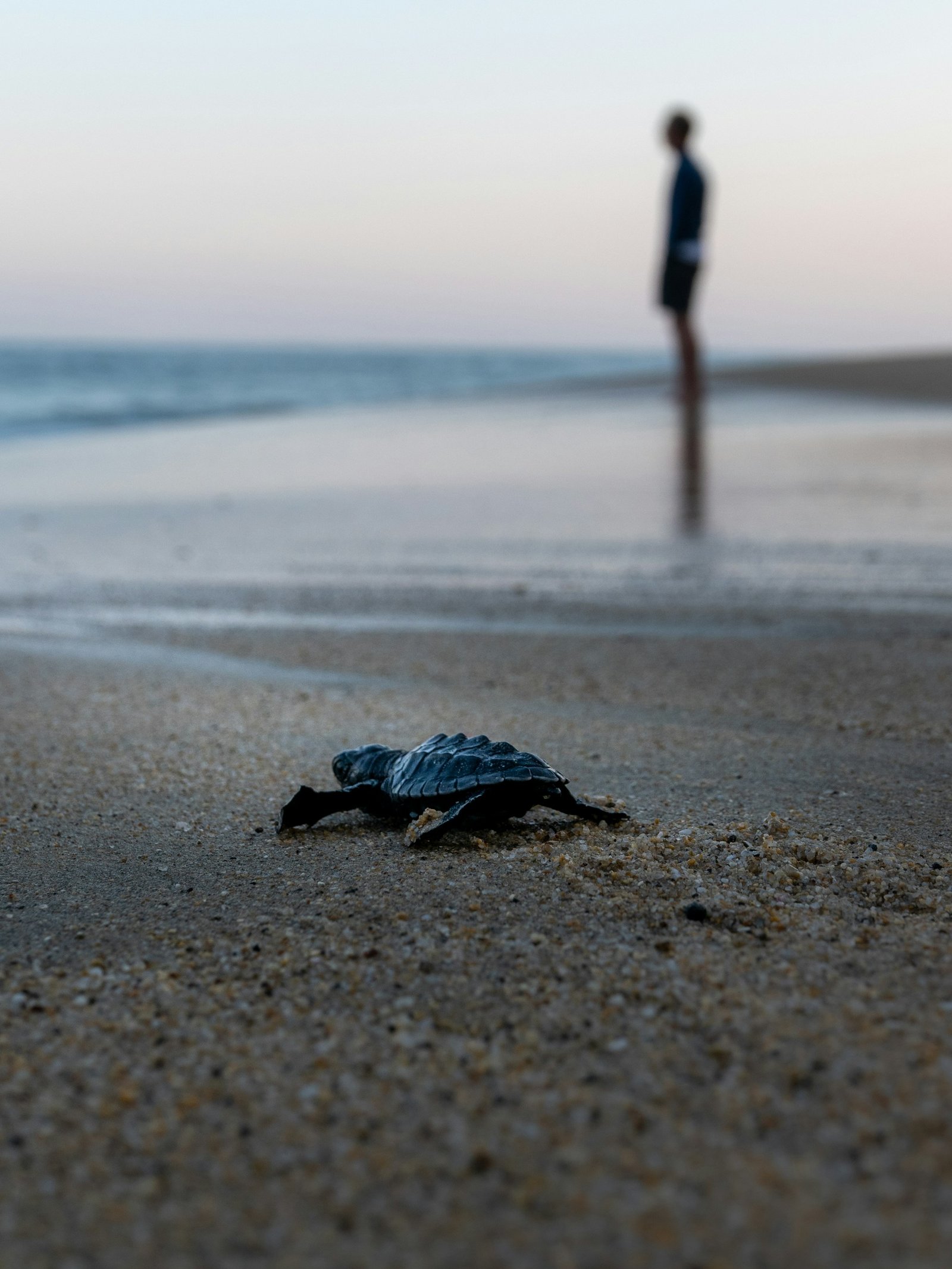
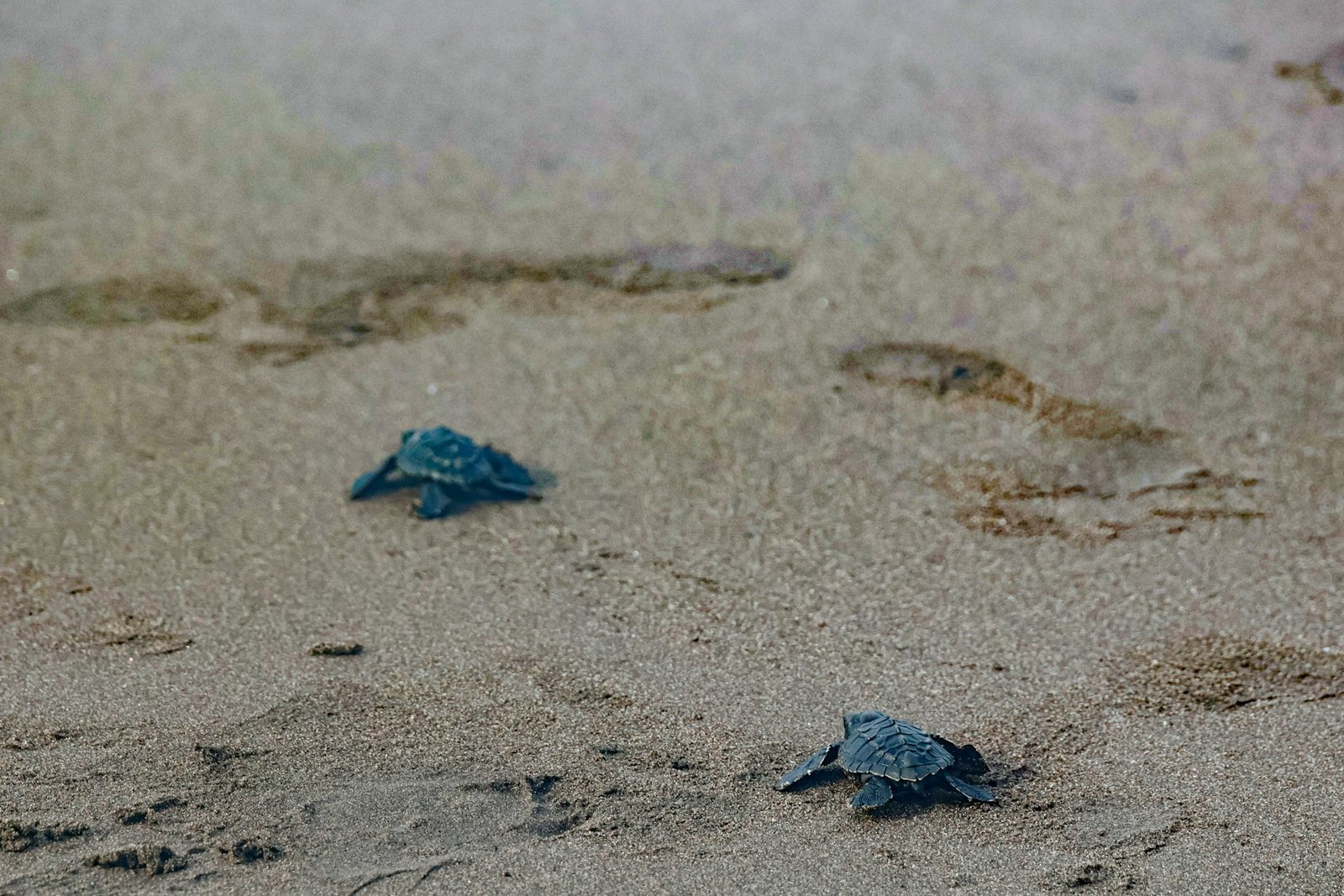
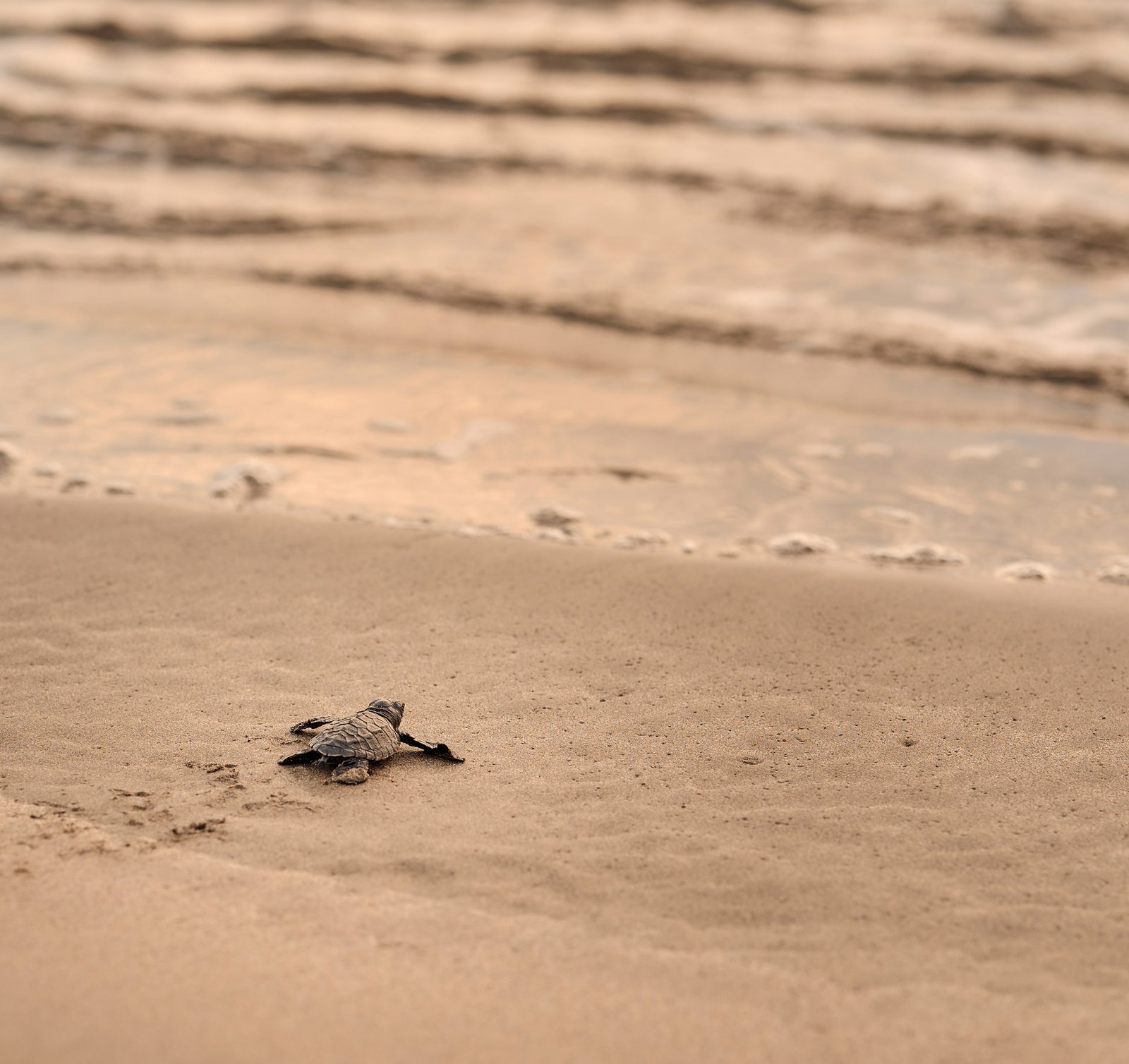
¿What should you bring to a turtle release near Todos Santos?
Think simple, hands free, and warmer than you expect. Even in winter, the Pacific breeze can turn a mild evening into a chilly one the moment the sun drops, especially if you are standing still in open sand for a while. (That same coast can also shift quickly with surf and wind, so basic beach safety habits matter.)
Bring this!
- Wind layer + light warmth
- A windbreaker or shell is often the difference between comfortable and distracted.
- Add a thin sweater if you run cold or you are traveling in December through February.
- Footwear that can handle soft sand
- Closed-toe sandals, light trail shoes, or sneakers help with uneven ground, driftwood, and the walk back in low light.
- Flip-flops work, but they can be tiring in deep sand.
- Water (small bottle)
- Hydration matters even when the air feels cool, and you may be waiting quietly before the release.
- Minimal bag
- A small crossbody or pocket essentials only. You will want both hands free so you can follow instructions without fumbling.
- A calm-light option only if permitted
- Many turtle programs ask for no lights at all (including phone flashlights), because artificial light can disorient hatchlings. If the team allows it, a dim red light is typically the least disruptive option, but the only rule that counts is the one you are given on site.
- Phone on silent
- Quiet is part of the protection. Silence helps everyone hear instructions, and it keeps the beach feeling like a conservation space, not a crowd.
- A small towel or sarong (optional)
- Useful for sandy hands, a quick seat, or an extra layer without bringing a bulky blanket.
What not to bring (it is easier than you think)
- Flash photography or bright lights (including headlamps and phone flash)
- Big backpacks, tripods, drones, or speakers
- Food that attracts animals or creates trash risk
- Anything that makes it harder to move as a group if volunteers need to adjust positions
¿How do you get there—and what logistics should you plan for?
Most turtle releases near Todos Santos happen on Pacific-side beaches, and the details can shift night to night depending on where hatchlings are ready and where the conservation team is working. The easiest way to keep it calm (and conservation-first) is to treat the evening like a loosely timed nature outing, not an appointment.
Logistics at a glance
| What to plan for | What it means on the ground |
|---|---|
| Know where to arrive | Ask the Serendipity staff where to go |
| Arrive early and expect waiting | Even with a posted time, releases may start later. Waiting quietly is part of the rhythm. |
| Limited services on the beach | Assume no bathrooms, no trash cans, and spotty cell coverage depending on the stretch of coast. Pack in and pack out. |
| Darkness + uneven sand | The walk can be soft, sloped, and windy. Move slowly, keep hands free, and follow volunteer instructions. |
| Ocean safety is real | Watch the surf line, especially after dusk. Stay well back from waves and never turn your back on the ocean. |
Practical details travelers appreciate
- Transportation: Having a car makes this much simpler. Taxis can work, but the return timing is unpredictable, so arrange your pickup plan in advance if you are not driving.
- Accessibility: Soft sand and low light can be challenging for anyone with mobility limitations. If that is a concern, ask in advance whether there is a closer viewing option that night, or consider choosing another evening.
- Kids and patience: Children can attend when they are able to stay quiet and follow instructions. The main challenge is the waiting, not the moment itself.
Insider Note: If you build your day around a slow afternoon in town (a gallery wander, an early dinner, then the beach), you will arrive with the right energy. If you squeeze it between tight plans, the wind, dark, and waiting can feel longer than it needs to.
If you are mapping out the rest of your week, pair this evening with other things to do in Todos Santos and keep your schedule spacious: see our guide to activities in and around Todos Santos for an easy, walkable plan from town.
How can you pair a turtle release with a slow winter itinerary in Todos Santos?
A turtle release tends to happen in the liminal hours, when the wind cools and the Pacific turns steel-blue. That timing is a gift for slow travelers. You can keep your days unhurried, let the evening hold the conservation moment, and still have space for galleries, long lunches, and the kind of quiet that makes Todos Santos feel like itself.
A good rhythm is simple: town in the morning, beach and wide-open light in the afternoon, and one flexible evening reserved for the possibility of a release. Because timing is never guaranteed, building your itinerary around “open windows” protects the experience from turning into a chase.
A calm 4-day winter itinerary (with space for a turtle release evening)
| Day | Morning | Afternoon | Evening |
|---|---|---|---|
| Day 1: Arrive + settle into town | Coffee and a slow walk through the historic center | Browse studios and galleries at an unhurried pace | Early dinner, then an easy night to reset |
| Day 2: Nature day + flexible release window | Leisurely breakfast, then a beach walk with wind layers | Light lunch back in town, a short rest | Keep this evening open for a potential turtle release (plan for waiting and changing conditions) |
| Day 3: Whale season pairing | Head out for a whale watching excursion (winter is the classic window) | Return, shower off the salt, take a quiet stroll | Low-key dinner and a nightcap in town, early if you are sun-soaked |
| Day 4: Culture + re-try window (optional) | Market morning or a longer sit-down breakfast | Final gallery loop, last-minute shopping, pack slowly | If you missed the release earlier, keep a second evening flexible or simply enjoy the sunset |
How to keep the “slow” feeling (even with an evening beach plan)
- Choose one or two “anchor plans,” not four. A gallery morning and a whale day are plenty. Let everything else be optional.
- Treat the turtle release like a weather-dependent tide. You make room for it, but you do not demand it. That mindset keeps the experience respectful and keeps you relaxed if timing shifts.
- Build a decompression ritual for after the beach. Warm shower, quiet dinner, early night, or a calm walk through town. The release is often brief and emotionally vivid, and it lands best when you do not rush back into noise.
- Keep the next morning intentionally light. A long breakfast and an art stroll make a gentle counterpoint to an evening on sand and wind.
Local Tip: If you are planning a release evening, plan your dinner earlier than usual and keep it simple. Beach timing can drift, and nobody wants to be hurrying volunteers or arriving flustered. A calm, fed, layered-up arrival makes you a better guest in a conservation space.
When you are ready to choose a base that keeps everything easy, start with our rooms in the heart of Todos Santos.
Plan your stay at Serendipity during turtle release season
If your winter plans include a quiet evening on the Pacific, we would love to be your base in town, close to galleries, cafés, and slow walks back to the courtyard.Come home to calm, and let the experience stay simple. For availability and details, explore our rooms in Todos Santos.
